



Dental Crowns and Zirconia Crowns
How are dental crowns made?
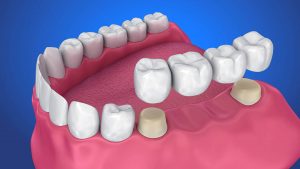
Dental crowning is a dental treatment method that can be completed in 3–4 sessions. After the crown material and type to be applied to the diseased tooth are decided and the prosthesis is planned, the tooth or teeth that will be crowned are prepared (the teeth are shaped and reduced) and impressions are taken. On the impression sent to the laboratory, laboratory procedures are carried out according to the type of prosthesis to be made for the tooth, and the material for the try-in comes back to the dentist; after being tried on the patient, it is sent back to the laboratory for finishing. In the last session, the dental crown application is completed.
What are the types of dental crowns?
It is possible to make the artificial tooth that will replace the tooth from various materials (gold, metal, biodent). Today, porcelain, an aesthetic material, is preferred. However, since porcelain is not sufficiently resistant to chewing pressure, a resistant material must be applied underneath as support. The types of crowns are classified accordingly.
In order for the patient to decide on the right crown technique they need, the dentist must clearly explain all the types of dental crowns that can be applied to the patient and help them make the right choice. Below we have listed some types of dental crowns, but a proper examination by a dentist is essential for a sound choice.
- Zirconia crowns: Zirconia is a white substance found in nature. The application commonly known as a zirconia crown is actually not the coating of the tooth with zirconia, but a zirconia-supported crown. In other words, zirconia-supported porcelain teeth are made. Zirconia is preferred because, in addition to being a very strong material, it is close to the natural colour of the teeth.
- Porcelain crowns: A type of crown made by covering a tooth that has lost tooth structure with porcelain. It can be metal-supported, and there are also types made entirely of ceramic. Porcelain crowns, which are very resistant to fracture, can be matched to the colour of the patient’s own teeth.
- Metal-supported crowns: The most widely known type of crown, which has become traditional. Metal-supported crowns are the most affordable in terms of price. A metal alloy is used as a support material inside the porcelain crown. However, because this metal causes some reflection under the porcelain, it is the most disadvantageous method aesthetically.
- Empress crowns: A type of crown made from a mixture of glass and ceramic without the need for a support. Its durability has been increased compared to porcelain. In addition, a thicker restoration must be applied to provide the necessary resistance to chewing forces. With its structure that transmits light very well, the Empress crown, also known as the E-max crown, is frequently used in prosthetic procedures with aesthetic goals.
Dental crown prices
Dental crown prices vary according to the physical condition of the tooth to be crowned, the material to be used and the type of crown. By law, we cannot give prices on our website; however, to find out an exact dental crown price, it is necessary to be examined by a dentist.



No comment yet, add your voice below!