



One of the most modern tooth and gum treatments frequently used in dentistry is laser treatment. Laser dentistry is known as a set of treatments that offer functional, fast and effective solutions to problems that may occur in the teeth and gums. Although the word “laser” brings to mind contemporary and current technologies, laser dentistry has actually been actively used in treatment since the 1950s. Aiming to offer more comfortable treatment than traditional dental treatments, the laser stands out especially as a good alternative to drilling dental instruments such as the dental drill. Backed by today’s contemporary technology, laser dental treatment processes shorten dentistry processes in many areas, making them much more efficient and successful. If you too want to benefit from the advantages of the laser and have laser gum treatment, this guide is just right for you. What laser dental treatment is, how it is done, what treatment solutions it offers and who can be a candidate for laser dental treatments: all the details are in this article.
What Are Laser Tooth and Gum Treatments?
To better understand the answer to the question of what laser tooth and gum treatment is, it is necessary to explain what a laser is. “Laser” corresponds to the English word “laser”, based on the emission of electromagnetic radiation, which we can translate as optical light amplification. To put it more simply, laser beams transmitted with the help of a laser device are produced to emit narrow light energy focused on a single point. This light energy turns into a reaction in the form of beams and leads to changes in shape, form and tissue in the area the laser touches. In short, treatments applied with a laser consist of the beams emitted by focused and narrow light energy producing a change in form.
Since laser technology began to be used in dental treatments, it has continued to appear in many different areas of dental treatment. Treatment of tooth decay, dentine hypersensitivity (treatment of excessive sensitivity), gum disorders and teeth whitening are just a few of the dental treatments in which the laser is used. In this context, the laser, which can be included in many different procedures, allows you to achieve both faster and lower-cost results.
What Are the Types of Laser Dental Treatment?
* Laser Dental Fillings: Decayed teeth are identified, and the laser is used to assist while the filling is being done.
* Relief of Tooth Sensitivity: Teeth that are sensitive to excessive cold or heat are repaired from the tooth root with laser technology.
* Laser Removal of Tooth Inflammation: The inflammation inside the tooth is killed thanks to the laser, and the tooth regains its long-term health. For this, not only is no dental drill needed, but in many cases little or no local anaesthesia may be needed.
* Laser Treatment of Broken Teeth: With the laser method, changes in shape can be made on hard tissues. Laser beams help repair broken teeth and eliminate physical defects in the teeth.
* Laser Closure of Gaps Between Teeth: With the laser method, the hard tissues of the teeth are again treated, and the gaps between the teeth are closed through small changes in form.
* Laser Tooth Correction: Structural defects such as fractures, cracks and chipping are corrected with the laser.
* Laser Gum Trimming: The laser has become a frequently used method not only for tooth problems but also for gum problems. Laser gum trimming is performed in cases where the gums are too far forward or noticeably prominent.
* Laser Gum Cauterisation: Again, where the gums create an aesthetic problem, the method of cauterising the gums with a laser may be used.
* Laser Gum Surgery: Sometimes the gum problems people have may require surgical intervention. In such cases, the laser, the most modern method used, makes it possible to perform gum surgery without the need for incisions or stitches. Laser dental surgery is a less painful process compared with traditionally performed gum surgery.
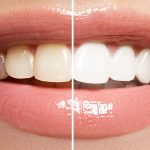
* Laser Teeth Whitening: It is possible to have your teeth whitened using laser technology. Here too, with its burning effect, the laser removes stains and discolouration on the tooth surface and promises a whiter smile. Laser teeth whitening is known as the most preferred method among teeth whitening methods.
* Laser Dental Aesthetics: Many methods related to tooth and gum aesthetics can be carried out with laser technology.
In addition to these tooth and gum treatments, there are also specific oral and dental problems to which the laser is applied. To summarise the other oral and dental problems in which the laser is used:
* Tumour Removal: Thanks to the laser, benign tumours in the gums, palate, lips or the roof of the cheeks can be removed.
* Tissue Imaging: The laser technique is used in the new-generation imaging technique known as optical coherence tomography. It makes it possible to obtain more realistic and clearer images of the teeth.
* TMJ Treatment: TMJ is known as jaw joint disorder. In special cases, laser support may be used in TMJ treatment.
* Sleep Apnoea: Laser technology can be used in reshaping the throat, which is one of the solutions for sleep apnoea.
What Are the Benefits of Laser Tooth and Gum Treatment?
* The biggest advantage the laser offers is speed. The use of laser in tooth and gum treatments saves a great deal of time for both the dentist and the patient. Compared with conventional dental treatments, laser dental treatments take much less time.
* The laser does not require incisions, so stitches, the patients’ worst nightmare in gum surgery, are not even an issue. Since it requires much less cutting, laser tooth and gum surgery is less painful.
* Soft tissues are treated more easily and quickly, which promises comfort to the patient during treatment.
* As long as the procedure is not too complicated, there is not even a need to apply local anaesthesia to the patient.
* Laser beams also accelerate blood clotting. That is why minimal bleeding occurs in the area touched by the beam, which provides great convenience to the patient throughout the treatment process.
* Wounds opened with a laser heal much faster, so the patient’s recovery time and time to return to their routine life are shortened.
* It is an ideal tooth and gum treatment method for patients who may faint at the sight of blood or who are afraid of operations.
* In tooth and gum treatments performed with a laser, bacteria formation is much lower than with other traditional methods. While healing the area, the laser also sterilises it, preventing any bacteria from forming. In this way, the risk of inflammation or infection during the treatment process is reduced.





No comment yet, add your voice below!