



Tooth crowding is an oral and dental problem that can appear especially in children and adolescents, and can occur with the loss of baby teeth and their subsequent replacement by permanent teeth. Crowded teeth can appear in almost 1 out of every 2 children and can cause major problems for the child both aesthetically and functionally. One of the biggest causes of crooked teeth is, of course, hereditary and genetic factors. However, crowded teeth problems can cause great distress not only for children but also for their parents. In our article, you can find the answers to your questions such as what crowded teeth are, how crowded teeth are treated, how crowded teeth can be corrected and what should be done to prevent them.
What Are Crowded Teeth?
Crowded teeth are also commonly referred to as crooked teeth. In childhood, after all the baby teeth fall out, the permanent teeth erupt and take their places. The condition in which permanent teeth erupt and settle in a crooked way during this positioning is called tooth crowding. Crowded teeth can vary according to their causes. Since tooth crowding is a very common dental problem, many different solutions for it have started to be developed in the world of orthodontics.
Why Do Crowded Teeth Occur?
– Genetic Factors
The most common cause of tooth crowding is genetic, that is, hereditary factors. A mismatch between jaw size and tooth width in the child is one of the most important factors affecting genetic factors. Another is respiratory problems that negatively affect the development of the jaw. If the person has a factor in the nasal passage that obstructs breathing, it first affects the upper jaw and then the lower jaw, preventing them from developing within normal standards. This prevents the teeth from lining up properly.
– Early Extraction of Baby Teeth
Another common cause of crowded teeth is the extraction of a child’s baby teeth earlier than it should be. If your child’s baby teeth were extracted through outside intervention before their normal time to change, there is a very high chance that the permanent teeth that will replace them will erupt crooked. Under normal conditions, extracting baby teeth before their time, if there is no extreme situation, is an extremely wrong form of treatment. Since baby teeth hold space for the new teeth coming from underneath, they actually act as a buffer that prevents crowding. As a result, the neighbouring teeth that occupy the place where the permanent teeth should be prevent the permanent tooth from erupting. In this case, the permanent tooth starts to move towards any gap it can find and erupts irregularly. Early extraction of baby teeth is an approach that leads to the complete disruption of the organic system in the mouth.
– Decay in Baby Teeth
Sometimes visible decay can form on the contact surfaces between baby teeth. When not treated in time, this decay also spreads to the neighbouring teeth and causes them to shift towards the gap created by the lost tooth tissue. These shifts cause the tooth alignment problem created by the decayed teeth and represent the beginning of the crowded teeth problem. That is why decay that may form in baby teeth should never be taken lightly, and one should not avoid having it treated with the logic of “it will fall out anyway”.
In Which Cases Is Tooth Crowding Treatment Used?
- Visible and easily noticeable crookedness in the teeth
- Gums and gapped teeth showing when smiling
- Difficulty closing the mouth
- Chewing and biting problems caused by the relationship between the jaws and the teeth
- Severe mouth breathing
- Speaking and swallowing with the tongue pushed between the front teeth
- Early extraction of baby teeth in childhood
- The incisors touching each other vertically when the back teeth are closed
- Having family members who have experienced similar tooth crowding problems
- Having gaps from missing teeth in the mouth
What Are the Treatment Methods for Tooth Crowding?
When it comes to gapped and crowded teeth, it is possible to come across many different treatments for crooked teeth. First of all, you need to know that correcting crowded teeth is a long process that requires patience and time, so working with experienced orthodontists is a great advantage.
The primary treatment method for tooth crowding is braces. When crowding occurs in the teeth, the first method used and preferred is having braces fitted. Brace treatment can be applied to people of all ages; that is, theoretically, it is possible to apply brace treatment to every patient regardless of their age. However, it is worth noting that if the problem in the patient’s teeth is caused by a skeletal condition, the patient’s age should also be taken into account. For example, the patient may need a more surgical procedure due to a skeletal problem. Of course, the final decision here will be made by an orthodontic specialist who is an expert and experienced in the field.
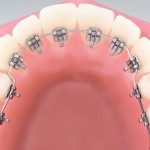
Thanks to developing technological methods and the modernising world of dentistry, wire-free treatment methods for crowded teeth have also recently begun to be developed. Wire-free orthodontic treatments, which provide an aesthetic solution to crowded teeth, are methods that patients flock to, especially adults who do not want to put themselves in a physically sensitive position by using metal wires and brackets. While wire-free tooth crowding treatments promise the patient results as effective and successful as braces, they also eliminate all the patient’s doubts and concerns about wearing braces. Orthodontic solutions such as clear brackets, clear aligners and lingual orthodontic methods have become techniques whose popularity has increased among crowded teeth treatments, especially recently.
What Should Be Considered After Crowded Teeth Treatment?
To preserve the straight teeth you have achieved after long efforts and trouble, and to always protect their beauty, there are important points that you, as a conscious patient, need to pay attention to after treatment. Here are some of them:
- If there are cavities in your teeth before starting treatment, you need to have them treated and only then start the treatment. In this way, you maximise the benefit you will get from your orthodontic treatment and you will not have to deal with cavities separately after the treatment is completed.
- You need to take very good care of the appliances used during treatment or recommended for use after treatment. If your dentist has given you specific instructions on the use of the appliance, it is very important that you follow these instructions to the letter and maintain the appliance regularly.
- After your treatment is completed, you should take extra care of your oral and dental health, brush your teeth regularly and not neglect the use of dental floss and mouthwash.
- Some orthodontic treatments come with a retention treatment period. During this process, you should be patient, follow the procedures you need to follow throughout the process and remember that the process is part of your treatment.
- After your orthodontic treatment, unless your dentist states otherwise, you should have regular check-ups every month for the first 6 months.
- If any breakage, detachment, damage or loosening occurs in the appliance you use, you should inform your dentist directly and have the damaged part repaired.




No comment yet, add your voice below!